Eliminating Racism

Racial Justice Education and Advocacy
Our Racial Justice Education and Advocacy program’s primary goal is to support our community by providing the following services and products.
Comprehensive and customizable training and summits addressing the barriers faced by women of color,
Providing advocacy and education to all community members.
Racial Justice Virtual Library is an online, easily accessible compilation of articles, books, and podcasts with the purpose of educating and supporting community members who are interested in learning more about racial justice and advocacy.
Racial Justice Toolkit and consultation is designed to assist professionals in successfully navigating multicultural settings and interactions in the workplace.
Community collaborations focused on supporting communities of color and assisting in bringing about awareness and barriers.
Racial Justice and Gender Equity Institute

The Racial Justice Institute (RJI) exists to achieve racial justice and healing by eliminating systemic barriers faced, especially by women of color. The RJI promotes:
Narrative change, by changing the conversation through greater awareness and understanding of race and gender
Behavior and practice change, by empowering individuals to advocate for themselves and empowering organizations and companies to change to support individuals, especially women, of color
Systemic change by advocating for policy reforms to support individuals, especially women, of color.
Empowering Women

Economic Justice Education and Advocacy: Our Economic Justice Education and Advocacy program’s primary goal is to support our community by providing the following services and products:
Wage Equity Awareness Campaign
Comprehensive and customizable training and summits addressing the barriers faced by women, more specifically the occupational segregation of women in the workplace, dismantling glass ceilings, re-valuing the work historically and traditionally performed by women
Providing advocacy and education about women in the workforce
Community collaborations focused on bringing about awareness and grassroots changes
Systemic change working with policymaker
Economic Justice Education and Advocacy:
Our Economic Justice Education and Advocacy program’s primary goal is to support our community by providing the following services and products.

From the Racial Justice Department
Misty Harty, Director of Racial Justice and Gender Equity
Reflecting on Labor Day and the Legacy of African American Union Soldiers
As we observed Labor Day, we reflected on a powerful and often overlooked chapter in American history: the role African Americans played in shaping the earliest traditions of honoring labor, freedom, and collective progress.
One of the first known Labor Day commemorations took place on May 1, 1865, in Charleston, South Carolina. Just weeks after the end of the Civil War, formerly enslaved African Americans—many of them supported by Black Union soldiers—organized a public ceremony to honor Union prisoners of war who had died while being held in a Confederate prison camp. They reburied the fallen with dignity, decorated their graves, and gathered in a procession that celebrated freedom, sacrifice, and the value of human labor.
At the center of this historic event were African Americans who understood that freedom and labor were deeply connected. Black Union soldiers had fought not only to preserve the nation, but also to end slavery and secure the right for all people to benefit from the fruits of their own work. Their actions helped establish a tradition of recognizing the dignity of workers and the contributions of those whose labor had too often been exploited or ignored.
While Labor Day would later become a national holiday, its roots are intertwined with the struggle for freedom, justice, and recognition. The story of African American Union soldiers reminds us that the labor movement was shaped not only in factories and union halls, but also through the courage of those who fought to transform a nation built on unequal labor systems.
As we reflect on Labor Day, we honor the legacy of these soldiers and the generations of Black workers who continued the fight for fair treatment, economic opportunity, and workplace dignity. Their contributions helped lay the foundation for many of the rights and protections workers benefit from today.
Honoring Labor Day means remembering the full history of labor in America—including the individuals whose efforts have too often been left out of the narrative. By recognizing their contributions, we deepen our understanding of the ongoing pursuit of equity, justice, and opportunity for all workers.
The work continues.
-

Wage Equity Campaign
-

Product Offering
-

Resources, Advocacy & Research
-

Virtual Library
-

Why Can't They Just...?
-

La Cuenta Pendiente
Narrative Change & Storytelling
-
Why can't they just?
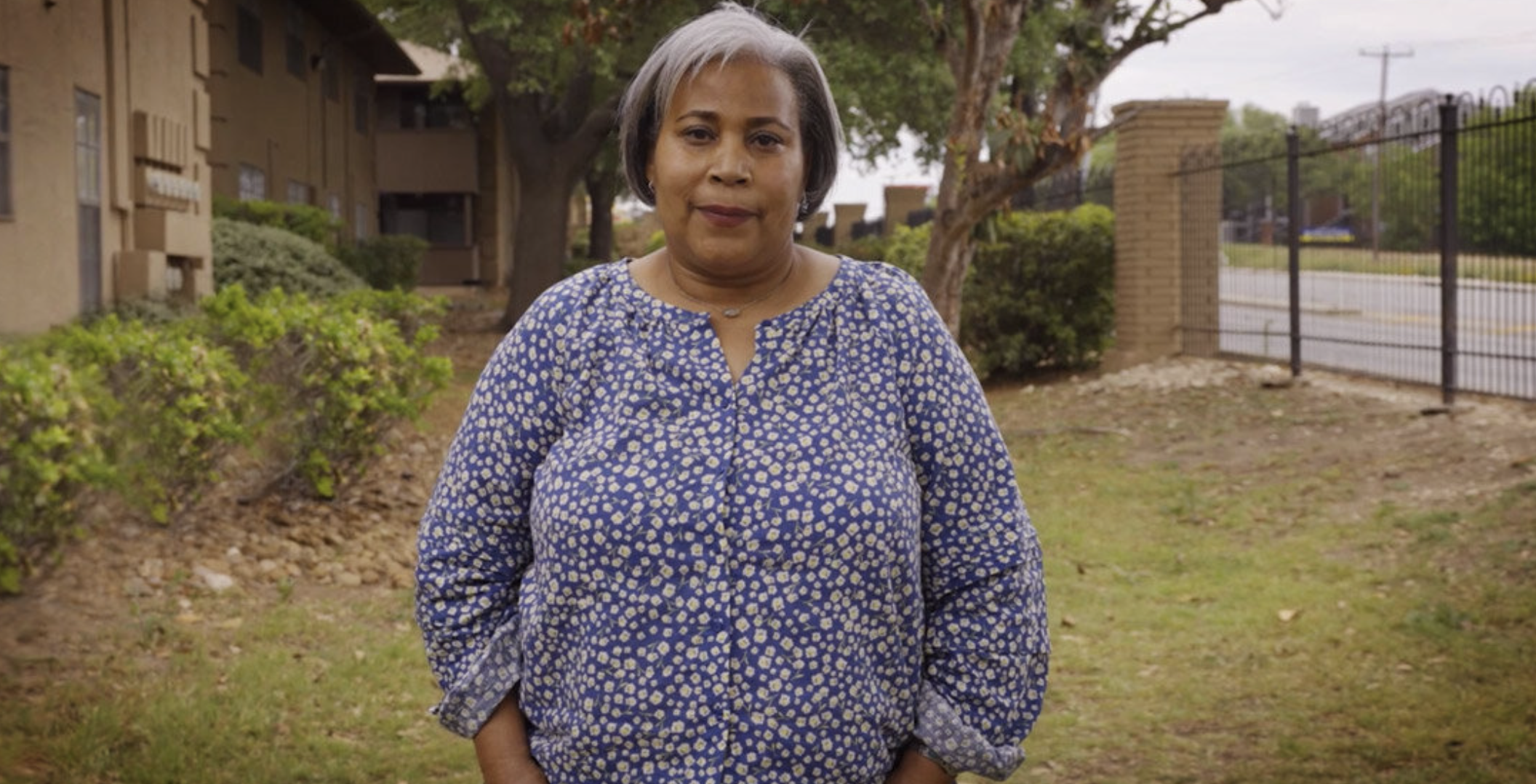
“Why Can’t They Just…?” shares the stories of women, served by YWCA and within the YWCA community, who have been experiencing poverty – from intergenerational to situational – and explores the systemic barriers that prevent them from living better lives and realizing their goals.
To learn more about this project visit our microsite “Whycanttheyjust.org
-
Telenovela La Cuenta Pendiente / Outstanding Balance
Through powerful storytelling and culturally relevant narratives, La Cuenta Pendiente (Outstanding Balance) explores themes of racism, sexism, wage inequality, domestic violence, immigration struggles, poverty, and the challenges of single-parent childcare. The series highlights the lived experiences of women and families navigating these hardships while showcasing the strength of community collaboration as a pathway to justice and equity.
